Season, altitude, safety and what to bring
Humantay Lake: best time and practical tips
How high Humantay Lake is, when to go, what to wear, what altitude does, who should skip it and when access closes, checked against official pages.
See Humantay Lake treks on GetYourGuide ↗Quick answer
Humantay Lake sits at about 4,200 m, with the trailhead at Soraypampa near 3,900 m. Sources describe the dry season as roughly May to September, and the wet season, roughly November to March, as muddier with poorer visibility. Wear layers, expect cold, and spend two to three days acclimatising in Cusco first. Fitness does not protect against altitude illness, so descend if symptoms worsen.
Season at a glance
| Season | Roughly | On the trail |
|---|---|---|
| Dry | May to September | Best conditions, cold nights |
| Wet | November to March | Mud and poor visibility |
| In between | April and October | Sources differ |
How high is Humantay Lake?
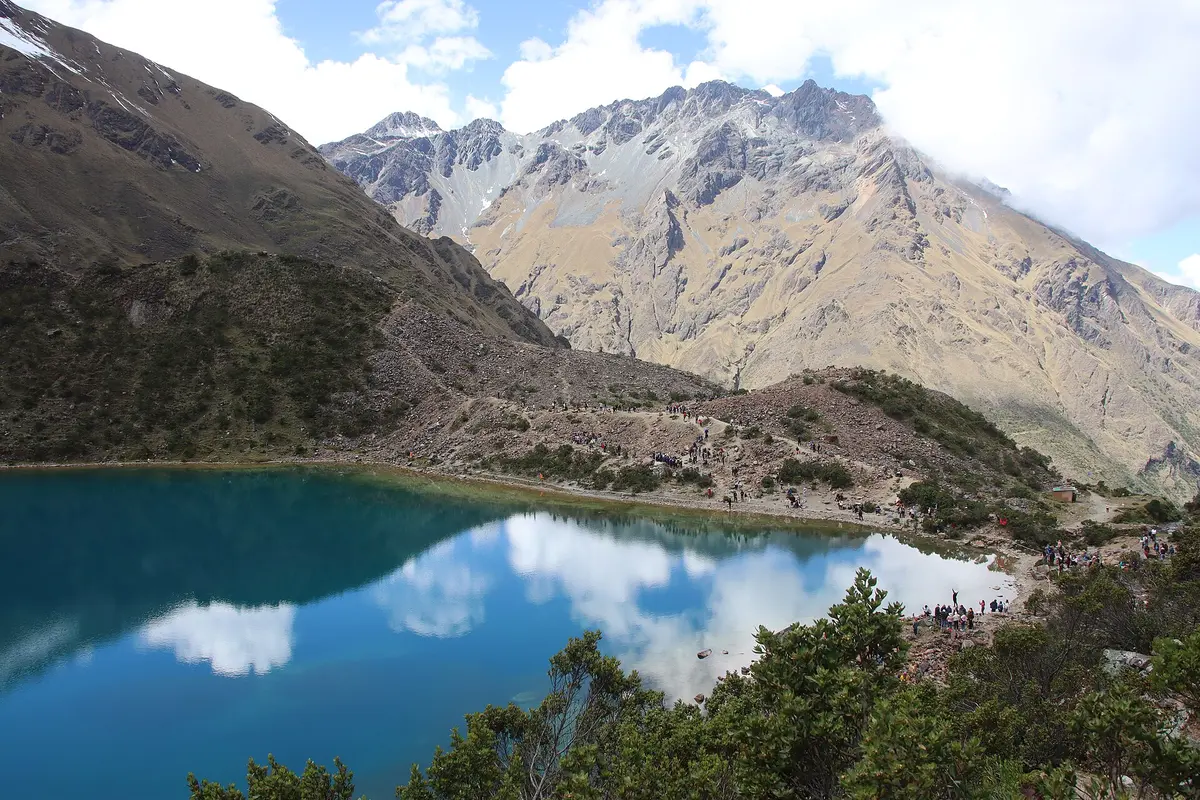
About 4,200 m. Peru's glacier research institute, INAIGEM, describes the site as above 4,200 m, and PeruRail and the tour description both give 4,200 m. The trailhead at Soraypampa is about 3,900 m, and Cusco is at about 3,400 m. You may also see 5,473 m given as the lake's height. Wikipedia gives that figure for Humantay peak, the mountain above the lake, and at least one tourism page lists it for the lagoon, so treat it with care.
Dry season, wet season and the months between
The dry season runs roughly from May to September, and Wikivoyage's Salkantay page calls it usually the best time, though nights are very cold. The wet season runs roughly from November to March, with mud, landslides, swollen streams and poor visibility. PeruRail says the lake is open all year, with fewer visitors in the rainy season and the turquoise showing more clearly in the dry one. April and October are where sources differ: Wikipedia's Cusco article puts April in the dry season and October in the wet, while PeruRail stretches the dry season to mid-October.
What to wear and carry
Peru's tourism board lists sunglasses, warm clothes, a camera, water and light food. Tour operators also recommend comfortable hiking shoes and a rain jacket. PeruRail notes low temperatures at the lake throughout the day, so bring warm layers even if the sun is out. In the rainy season Wikivoyage warns that the path can be muddy or slippery, which is when shoes with grip matter most. Layers let you adjust as you climb and cool down at the water. Keep some cash for horses or small purchases.
- Warm layers and a rain jacket
- Shoes with grip
- Water and light food
- Sunglasses and some cash
The road, the climb and the timing
Peru's tourism board gives roughly three and a half hours by bus or car from Cusco to Soraypampa, and about an hour and a half on foot from there to the lake. PeruRail gives between one and two hours for the walk, and the tour describes a two-hour trek, depending on fitness. The road runs through Limatambo and Mollepata, where this tour stops for breakfast and, later, lunch. Wikivoyage calls the lake a popular side trip and advises starting early or late in the day, and describes the path as a steep side trail that is harder than it looks because of the altitude.
How altitude sickness shows up
The CDC's Yellow Book describes acute mountain sickness as a headache, usually with at least one of loss of appetite, dizziness, fatigue or nausea. It usually starts 2 to 12 hours after arrival or ascent, and usually fades within 12 to 48 hours if you go no higher. TravelHealthPro adds that physical fitness does not appear to protect against altitude illness. So a fit hiker can be affected, and a less fit one may not be. Nobody can promise how you will react on the day, and past performance at altitude is described as probably the best predictor, so it is worth thinking about how you have coped before.
Lowering the risk, and when to turn back
Both health sources advise gradual ascent. For Cusco, Wikivoyage advises at least two to three days acclimatising before the trek, and the CDC says to avoid alcohol and keep exercise mild for the first 48 hours at high altitude. TravelHealthPro does not recommend coca for preventing altitude sickness, and says never to ascend to sleep higher while symptomatic, and to descend if symptoms worsen. Medication is a question for your doctor before you travel. TravelHealthPro also says adequate travel insurance is essential, with your maximum altitude declared.
Children, pregnancy and health conditions
The CDC says children are as susceptible to altitude illness as adults, and TravelHealthPro says they are not thought to be at higher risk. Young children who can't yet talk may be hard to assess. The tour has no minimum age in its published details, so ask the operator about children. For pregnancy, the tour lists pregnant women as not suitable, and WHO advice quoted by TravelHealthPro says travel to sleeping altitudes over 3,000 m is not advisable. Anyone with a heart or lung condition should consult a physician familiar with altitude before booking, as the CDC advises.
Language, length and what the day asks of you
The guide on this tour speaks English or Spanish, and other operators vary, so check before you book. The day is a long one, 12 to 13.5 hours in total. Much of it is spent on the road: Peru's tourism board gives roughly three and a half hours from Cusco to Soraypampa, and the road back is part of the same day. The walk itself is short by comparison, but it is steep and at altitude. Your confirmation shows the pickup time, so plan the evening before around an early night.
What you see at the lake
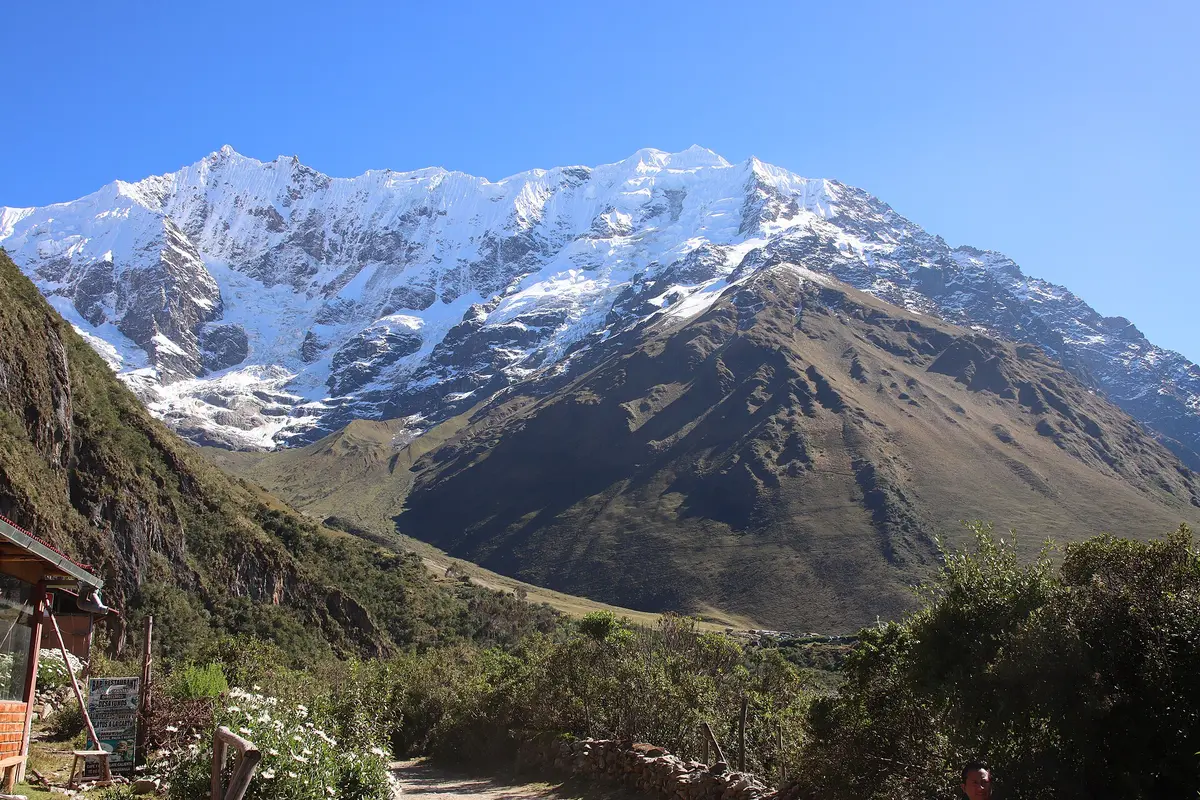
The lake lies at the foot of Humantay peak, which Wikipedia gives as 5,473 m in the Vilcabamba range. Peru's tourism board says the surrounding trails were used by the Incas and mentions condors, alpacas, sheep and vicuñas along the wider route. It describes the water as icy and the terrain as rough. For why the water looks turquoise, see our colour guide. What you see on the day depends on the weather, which PeruRail calls not very predictable.
Read next: Why Is Humantay Lake Turquoise? The Science and the Sacred
When access closes
Access to the lake has been suspended before. Peruvian press reported the Mollepata municipality closing it to visitors after a river overflowed and heavy rain cut the road. Separately, INAIGEM has said it is evaluating likely rockfall and icefall zones at the lake, calls it a hazard rather than a confirmed risk, and has recommended risk assessments and an early-warning system. Ask your operator what happens if access is closed on your date, and check your booking's cancellation terms before you pay.
Who this isn't for
If you land in Cusco and want to climb the next morning, wait: health guidance advises acclimatising first. If you need guaranteed clear skies, no source offers them. The day tour lists wheelchair users, people with mobility impairments, vertigo, respiratory issues or a low level of fitness, and pregnant women, as not suitable. If you have a heart or lung condition, take medical advice before you book. And if you want the lake to yourself, Wikivoyage describes it as a popular side trip, so expect other visitors. None of this means the trip is a bad idea, only that it suits some travellers better than others.
Frequently asked questions
How high is Humantay Lake?
About 4,200 m. The trailhead at Soraypampa is about 3,900 m and Cusco is about 3,400 m. The 5,473 m figure sometimes quoted is the height of Humantay peak above the lake, not the lake itself.
When is the best time to visit Humantay Lake?
The dry season, roughly May to September, is usually the best, though nights are cold. The wet season, roughly November to March, brings mud and poorer visibility. Sources differ on April and October.
How long is the walk to the lake?
About an hour and a half from Soraypampa, according to Peru's tourism board. PeruRail says between one and two hours, depending on fitness. The drive from Cusco to Soraypampa is roughly three and a half hours.
Can children go to Humantay Lake?
Health sources say children are not thought to be at higher risk of altitude illness than adults, but young children are hard to assess. Ask the operator about minimum age, and talk to a doctor if you are unsure.
What should I wear to Humantay Lake?
Warm layers, a rain jacket and shoes with grip. Peru's tourism board also lists sunglasses, water and light food. The path can be muddy or slippery in the rainy season.
Do I need to acclimatise before Humantay Lake?
Yes. Wikivoyage advises at least two to three days acclimatising in Cusco first. TravelHealthPro says fitness does not protect against altitude illness, so never go higher with symptoms, and descend if they worsen.
Sources
- Trekking to Humantay Lagoon (Peru Travel, official tourism site)
- Salkantay trek (Wikivoyage)
- Everything about Humantay Lake (PeruRail)
- High-altitude travel and altitude illness (CDC Yellow Book)
- Altitude illness (TravelHealthPro, UK Health Security Agency)
- INAIGEM on avalanche risk at the lake (Gestion)
- Tourist access to the lake suspended (Gestion)
- Humantay (Wikipedia)