Why Humantay Lake
Why Humantay Lake
One of the Andes' great rewards
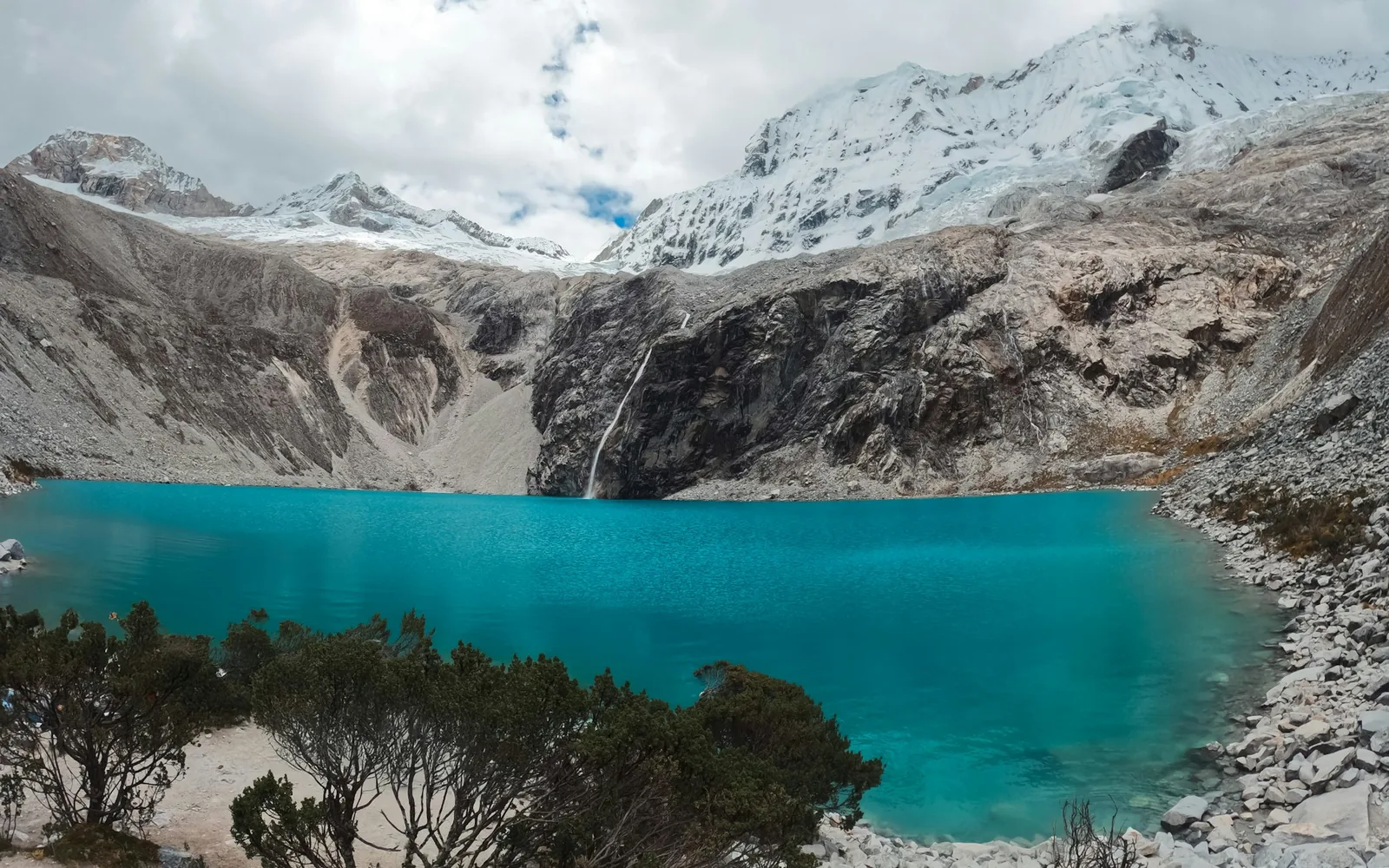
Humantay Lake is the kind of view that photographs can't quite prepare you for: a lake of intense, milky turquoise cupped in a bowl of rock beneath a hanging glacier and the snow pyramid of Apu Humantay. The colour comes from glacial silt suspended in the meltwater, and it shifts with the light through the morning.
A hard-won day trip from Cusco
It's doable in a single long day from Cusco, but it's not a stroll — after a pre-dawn drive you climb steeply for around two hours from roughly 3,800 metres to 4,200, where the air holds far less oxygen. That's exactly why it feels earned: you arrive breathless, and the lake is your reward for the effort.
Sacred ground on the Salkantay route
The lake sits at the foot of two apus — sacred mountains in Andean belief — and many trekkers build a small apacheta (a stack of stones) as an offering. It's the warm-up highlight of the multi-day Salkantay trek to Machu Picchu, which is why the trail is well-run and the guides know it intimately.
The day, step by step
The day, step by step
A Humantay day trek runs to a tight schedule to fit the drive, the climb and the return. Times vary by operator, but the day usually goes like this.
Pickup in Cusco
An early hotel pickup, usually between 4:00 and 5:00 am, to make the most of the day and reach the lake before the afternoon cloud rolls in. Try to sleep on the drive.
Cusco to Soraypampa
Around two and a half to three hours by road via Mollepata, climbing into the mountains, with a stop for breakfast before the trailhead at Soraypampa (about 3,900 m).
Up to the lake
The main event: a steep two-hour hike gaining several hundred metres to the lake at 4,200 m. Slow and steady is the only way at altitude; horses are often available for part of the climb if you need them.
Turquoise and thin air
Time at the lake to catch your breath, take it in and photograph it — some build an apacheta, a few brave the freezing water. The colour is at its most vivid in the clear morning light.
Down, lunch, and back to Cusco
The descent is quicker, then lunch near the trailhead and the long drive back, usually reaching Cusco in the early evening.
The trek & getting there
The trek & getting there
The trek is short in distance but serious in altitude — here's what to know about the route and reaching it.
A short but steep trail
The hike itself is only around five to six kilometres round trip, but it climbs steeply to 4,200 metres, where the thin air makes even a gentle slope feel hard. It's the altitude, not the distance, that makes Humantay challenging.
Acclimatise in Cusco first
Cusco sits at about 3,400 m, so spend at least two or three days there — or elsewhere high — before attempting Humantay. Arriving in Cusco and trekking the next day is a common mistake that ends in altitude sickness. Coca tea and slow days help.
Getting to the trailhead
There's no way to reach Soraypampa independently on a day schedule, which is why almost everyone books a tour: it bundles the pre-dawn transport from Cusco, a guide, breakfast and lunch. The drive is a scenic couple of hours each way.
Horses and the hard bits
Local horsemen offer horses for much of the uphill climb for an extra fee, paid on the day — a genuine help if the altitude hits hard. The final approach to the lake is on foot regardless.
Humantay, in pictures
Humantay, in pictures
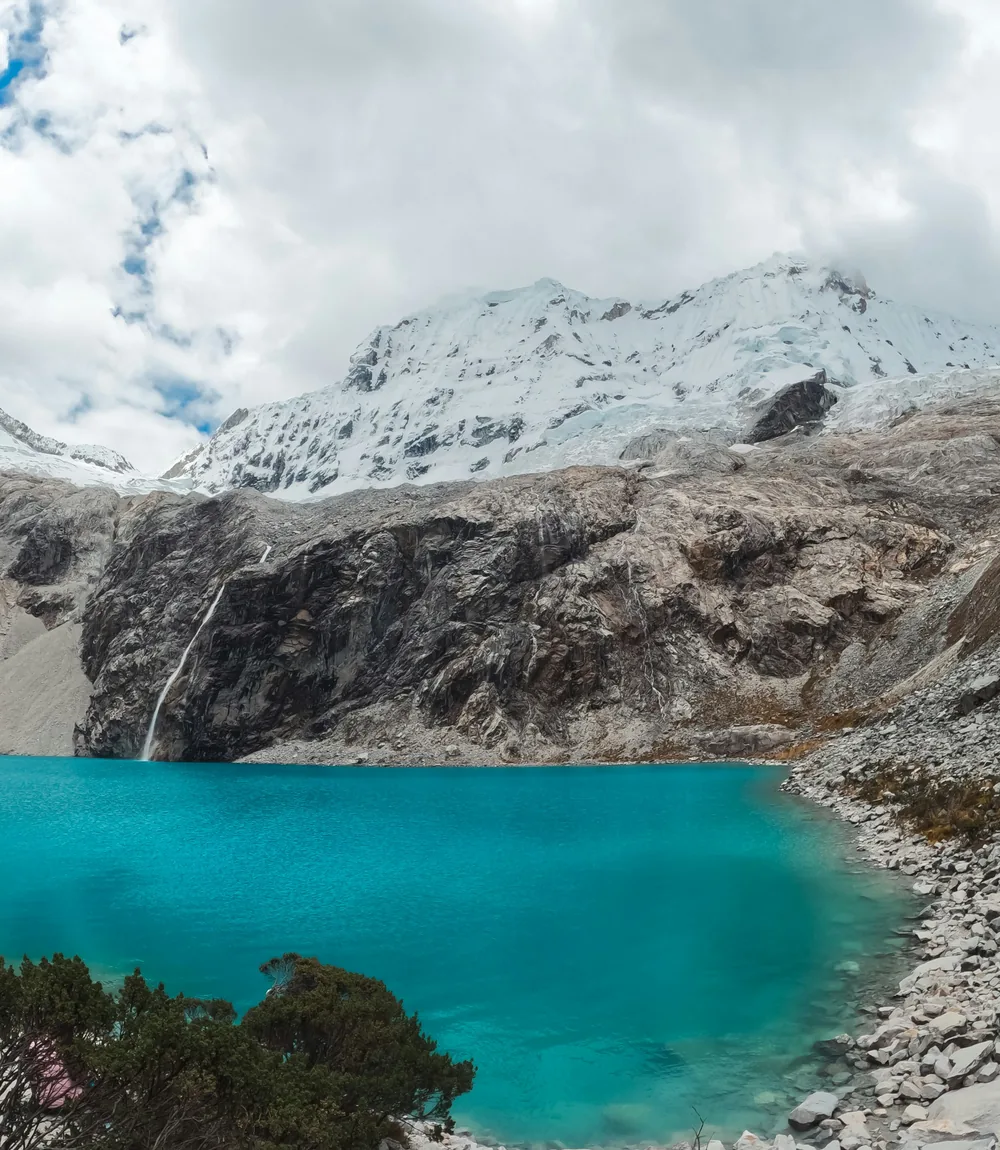
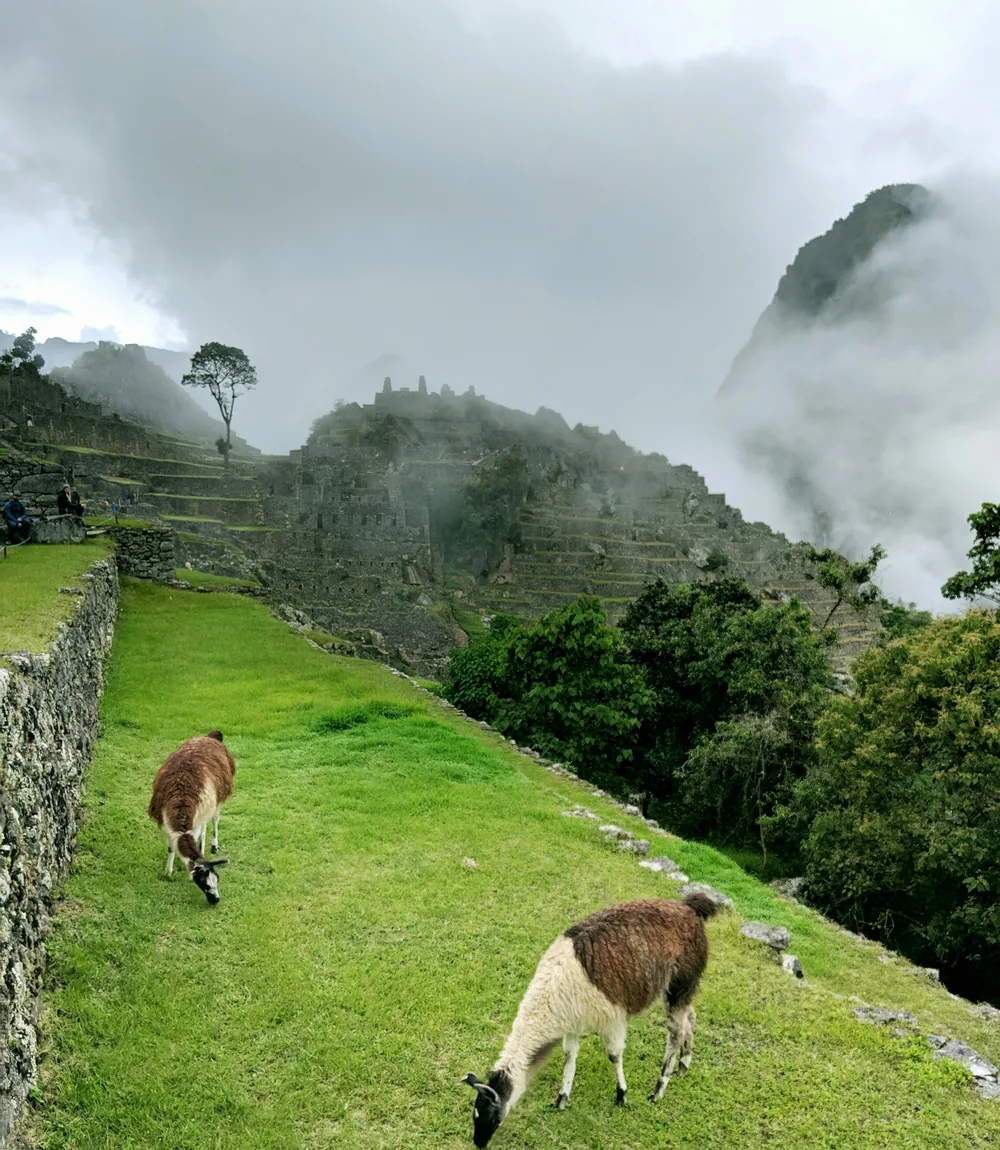
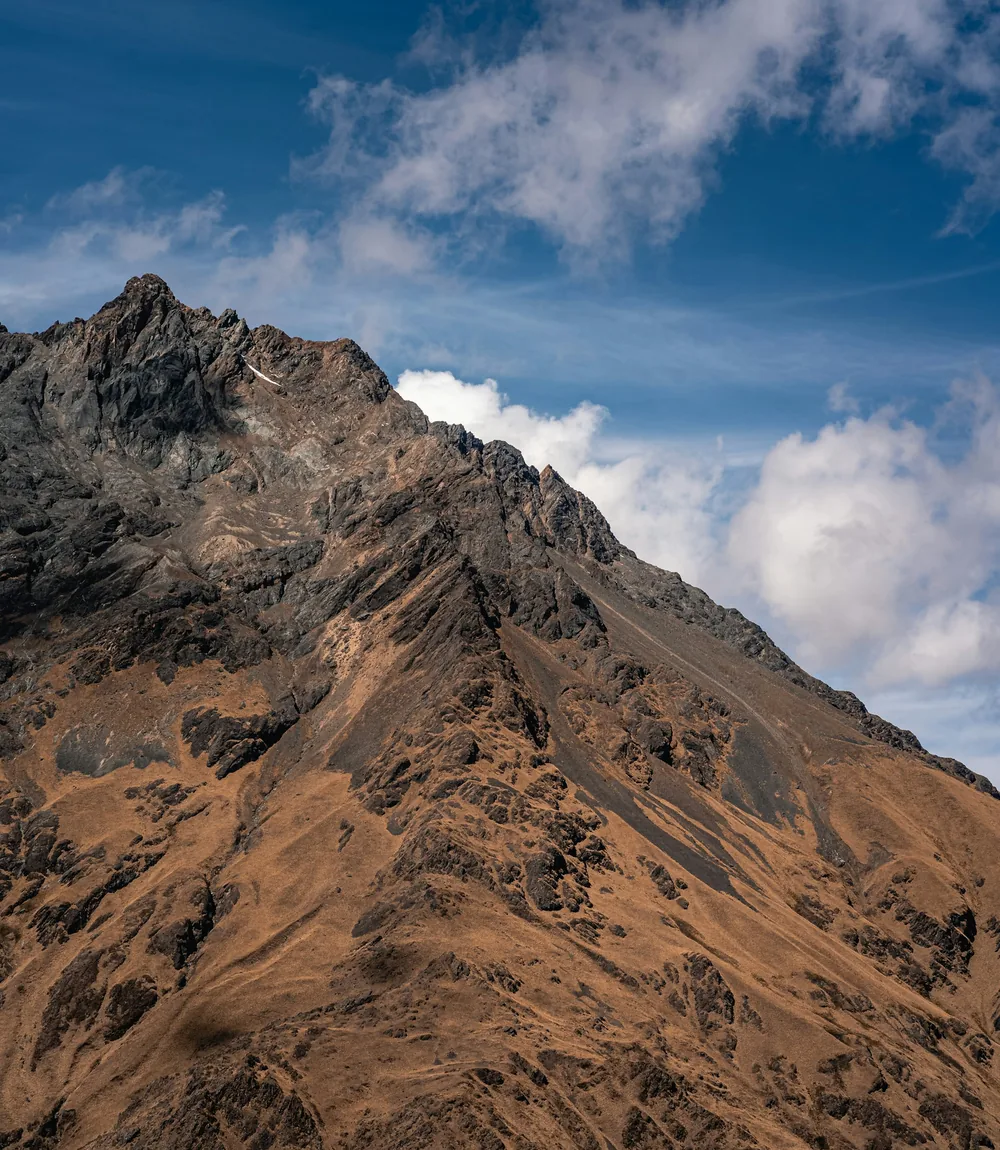
Turquoise water, snow peaks and high-Andes imagery to set the scene for your trek.
Tour options & what's included
Tour options & what's included
| Option | What it includes | Good to know |
|---|---|---|
| Day trip from Cusco | Pre-dawn transport, guide, breakfast and lunch | The standard option; a long day but back in Cusco by evening |
| Small-group tour | The same, in a smaller group with more guide attention | Worth it for pacing at altitude and a less rushed lake stop |
| Salkantay 2-day combo | Humantay on day one, continuing the Salkantay trek | For trekkers heading on toward Machu Picchu, not a day trip |
| Add-on: horse | A horse for much of the uphill climb, paid on the day | A real help if the altitude is tough; the final stretch is on foot |
Ways to book the Humantay Lake trek
Find a Humantay Lake trek for your dates
Each option below books through GetYourGuide with live availability, and the final price shows in your own currency before you pay.
Planning your trek
Planning your trek
Acclimatise before you go
This is the single most important thing. Spend at least two or three days at altitude — in Cusco or the Sacred Valley — before Humantay. Don't trek it on your first day off the plane. Drink plenty of water, take it easy, and consider coca tea or altitude medication after talking to a doctor.
Go early, dress in layers
The early start isn't just tradition — the lake is clearest and calmest in the morning before the afternoon cloud. It's cold at dawn and at the lake but you'll heat up climbing, so dress in layers you can shed, with a warm top and a rain layer for the summit.
Pace yourself and consider a horse
At 4,200 m, slow and steady wins. Stop often, breathe deeply, and don't be proud about taking a horse for the uphill if you're struggling — plenty of fit people do. The point is to reach the lake and enjoy it, not to race.
Bring the essentials
Water, sun protection (the high-altitude sun is fierce), a hat and sunglasses, snacks, some cash for the horse or small purchases, and good footwear with grip for a rocky, sometimes muddy trail. Poles help on the descent.
Booking flexibility
The listing offers free cancellation up to 24 hours before and a reserve-now-pay-later option, so you can hold a date without paying today and adjust around the weather or how you're feeling at altitude. Booking ahead is wise in the dry-season high months.
Planning a Humantay Lake day
Planning a Humantay Lake day
GEO/FAQ
Humantay Lake trek questions
What is the Humantay Lake trek?
It's a full-day trek from Cusco to Laguna Humantay, a vivid turquoise glacial lake at about 4,200 metres below the snow-capped Humantay peak. The day involves a pre-dawn drive to the trailhead at Soraypampa, a steep two-hour climb to the lake, time to take it in, and the return to Cusco, usually with breakfast and lunch included.
How hard is the hike?
The distance is modest — around five to six kilometres round trip — but it climbs steeply to 4,200 metres, and the altitude makes it genuinely tough for most people. If you're reasonably fit and properly acclimatised, it's very doable at a slow pace; horses are usually available for much of the uphill if you need one.
Do I need to acclimatise first?
Yes — this is essential. Cusco is at about 3,400 m and the lake at 4,200 m. Spend at least two or three days at altitude before the trek. Attempting Humantay on your first day in Cusco is a common cause of altitude sickness and can ruin the day or worse.
When is the best time to go?
The dry season (roughly May to September) offers the clearest skies and safest trails, though it's also the busiest. Whatever the month, go early: the lake is calmest and most vivid in the morning light, before the afternoon cloud builds. The rainy season brings mud and less reliable views.
Can I get a horse for the climb?
Usually, yes. Local horsemen offer horses for much of the uphill section for a fee you pay on the day. It's a sensible option if the altitude is affecting you — there's no shame in it, and it lets you still enjoy the lake. The final approach is on foot.
What should I bring?
Water, strong sun protection, a hat and sunglasses, warm layers plus a rain layer, snacks, some cash for a horse or small purchases, and sturdy footwear with grip. Trekking poles help on the descent. Dress in layers you can add and remove as you climb and cool down.
Can I book with free cancellation?
Yes. The GetYourGuide listing offers free cancellation up to 24 hours before your trek and a reserve-now-pay-later option, so you can hold a date without paying today and adjust around the weather or how you feel at altitude. The exact terms show on the listing before you confirm.
Worried about the altitude, or which tour to pick?
Leave your email and roughly when you're travelling — we'll send a short rundown of how hard the climb really is, how many days to acclimatise in Cusco first, and how the day-trip and Salkantay-combo options compare.